Do electric cars need an MOT?
Yes. EVs are subject to exactly the same MOT timetable as petrol and diesel vehicles in the UK: first MOT at three years old, then annually. The maximum legal fee for an EV MOT in 2026 is the same as for a petrol car (£54.85), though many independents charge between £40 and £50.
What's tested in an EV MOT?
The MOT inspector checks:
- Brakes (pads, discs, fluid, ABS, parking brake)
- Steering and suspension
- Tyres (tread depth, condition, pressure)
- Lights, indicators, hazard warning lights
- Mirrors, wipers, washers, horn
- Bodywork and structural integrity
- Seatbelts and airbags (visual)
- VIN plate
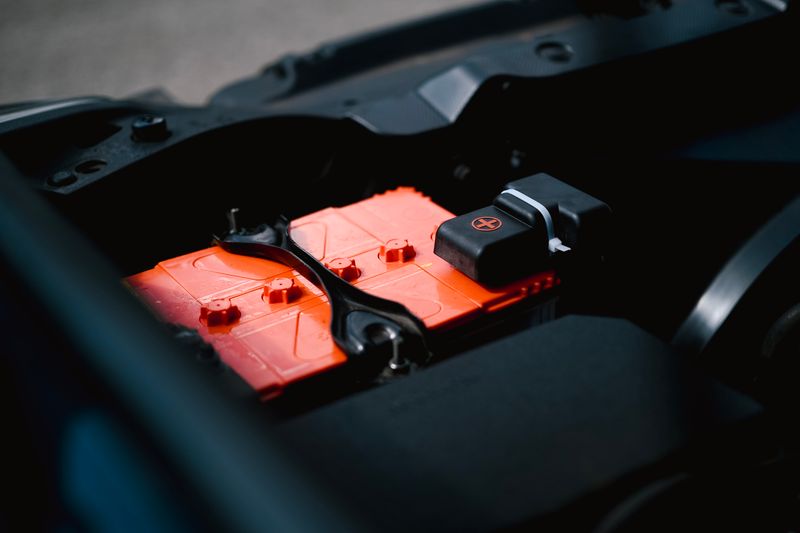
- 12V auxiliary battery for proper charging
The emissions test is skipped for pure EVs. The high-voltage traction battery is not tested directly — but the tester will visually inspect for damage and warning lights.
How much does an EV MOT cost?
The maximum DVSA fee is £54.85, the same as for a petrol car. In practice, independent EV-friendly centres often charge £35–£50. Most reputable EV specialists bundle the MOT with annual servicing at a discount.
Common EV MOT fails
The most common EV-specific fail reasons are:
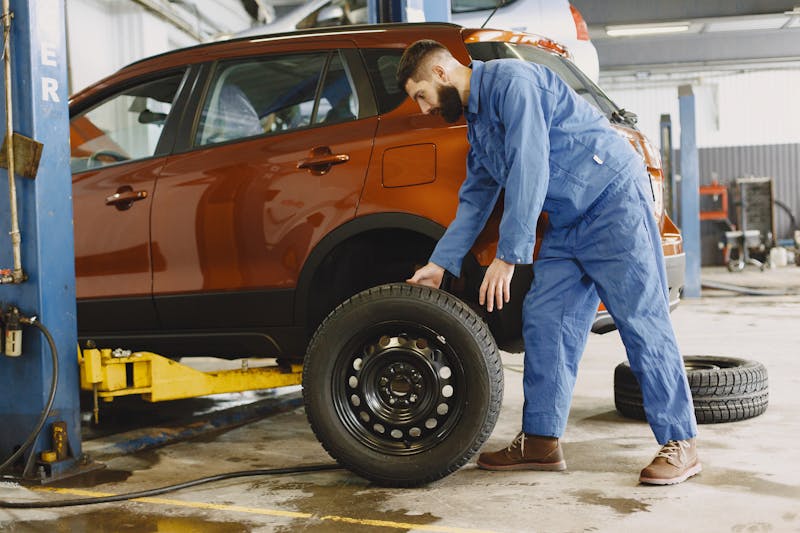
- Tyres. EVs are heavier and torquier than equivalent petrol cars, so tyre wear is faster. Worn or perished EV-rated tyres are by far the most common fail.
- Brake corrosion. Regenerative braking means the friction discs are used less, which can let surface rust and corrosion build up.
- Brake fluid. Same reason — moisture can creep into less-used hydraulic systems faster.
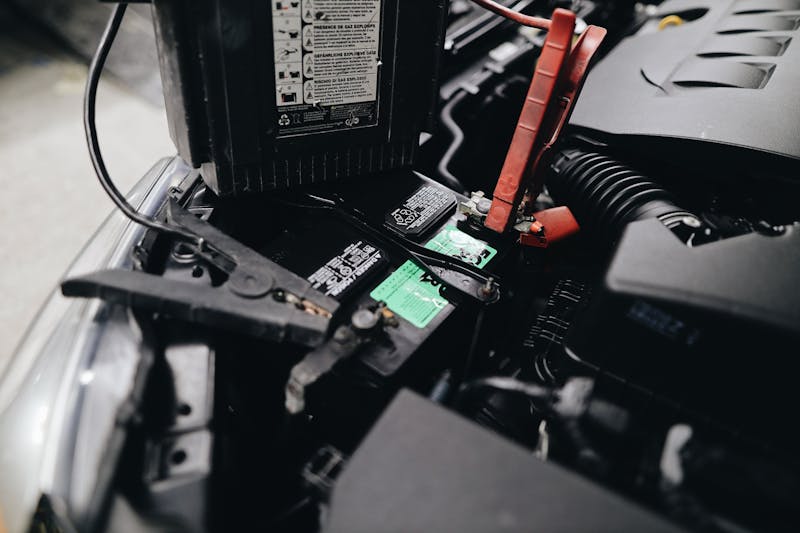
- 12V battery. Often forgotten on EVs. A flat 12V causes the high-voltage contactors to fail to close, which fails the lights and ancillaries test.
Why book your MOT with an EV-trained centre?
Standard MOT testers can carry out an EV MOT — but if a problem is found, only an EV-qualified technician can safely investigate. Using a centre that handles both ensures any advisory or fail item can be diagnosed and repaired without moving the car between sites. Every garage on The EV Pros that offers MOTs has at least one EV-trained tester.
EV MOT near you
Browse trusted ev mot specialists by city, or search the full UK directory:
EV MOT by town and county
Every location where we list ev mot specialists (199).
Browse by region
Jump to a regional rollup with verified ev mot specialists, counties and top garages.
Other EV services
Need something else? Explore the other UK specialist hubs.
Related guides
Background reading on ev mot.
Can't decide? Get matched instead.
Need an MOT? We’ll pass your details to up to 3 EV-friendly MOT stations near you. Free, no obligation.
Free EV owner tools
No sign-up, built on official UK data and current prices.