The EV Pros guide
How Much Does It Cost to Charge an Electric Car? (2026)
The real 2026 UK cost to charge an electric car: £4 to £6 overnight at home, £15 at the price cap, £45+ on rapid chargers, and cost per mile vs petrol.
Updated 19 July 2026 · The EV Pros editorial team
A full charge at home overnight can cost less than a meal deal. The same charge at a motorway rapid charger can cost over £45, which is petrol money. Where and when you plug in is the single biggest running cost decision an EV owner makes, so here are the real 2026 numbers.
TL;DR
Charging a typical 60kWh EV costs roughly £4 to £6 overnight on an off-peak EV tariff, about £15 at the standard price cap rate, and around £45 to £47 at a public rapid charger. Per mile, that is about 2p to 8p at home against roughly 16p for a 45mpg petrol car. Run your own numbers in our free Charging Cost Calculator.
What actually determines the cost
Two numbers decide everything: your battery size in kWh and the price you pay per kWh. A 60kWh battery charged from empty at 25p per kWh costs £15. The same battery at 7p overnight costs £4.20. At 79p on a rapid charger it costs £47.40. The car is the same; the price per unit is doing all the work.
In practice you rarely charge from empty. Most owners top up from around 20% to 80%, so real sessions cost less than the full-charge figures below. But the per-kWh rate still decides whether your motoring is cheap or merely competitive.
Charging at home: the 2026 rates
The Ofgem price cap puts standard home electricity at about 25p per kWh in spring 2026. At that rate a full 60kWh charge is around £15, or roughly 7p per mile for a car returning 3.5 miles per kWh.
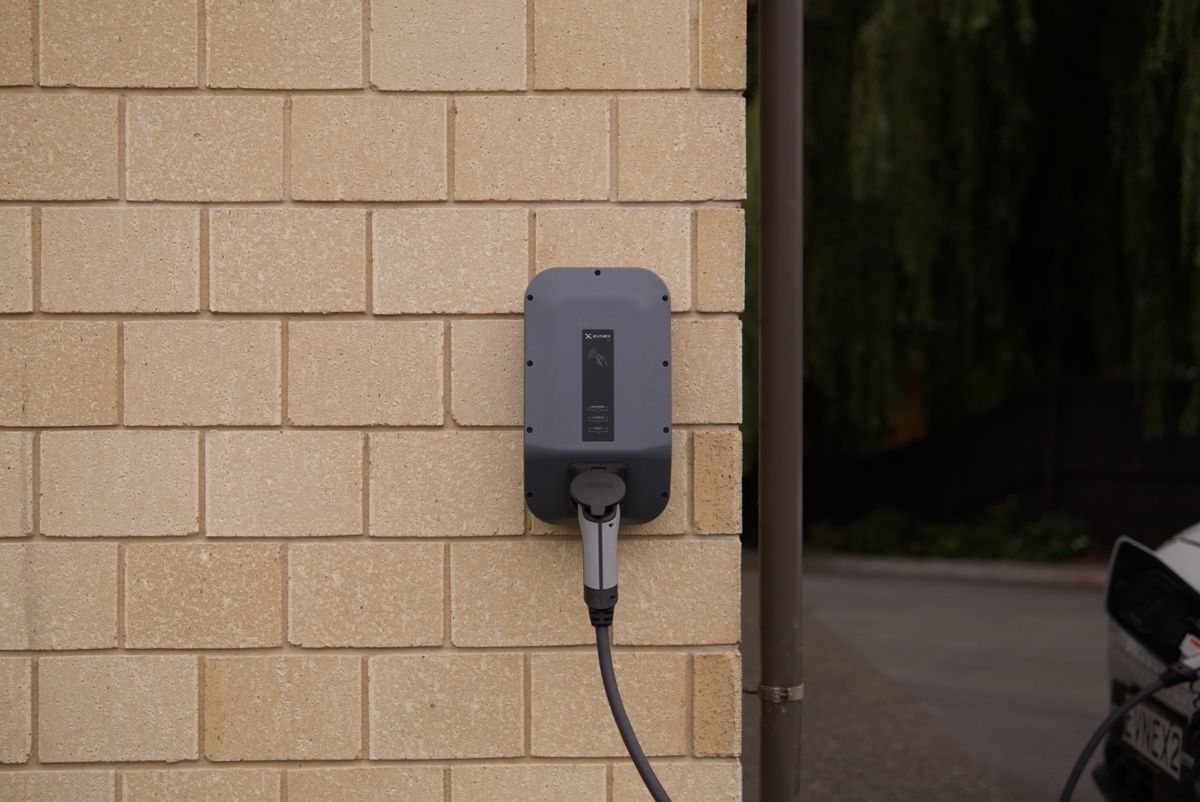
The big win is a dedicated EV tariff. Octopus Go fixes its overnight window at 6.99p per kWh from April 2026, and Intelligent Octopus Go runs at 7p to 8p, as published on Octopus Energy's tariff pages. On those rates a full charge lands between £4.20 and £5.40, and your cost per mile drops to around 2p. If your car is on the driveway overnight anyway, this is close to free motoring by petrol standards.
Public charging: what you pay away from home
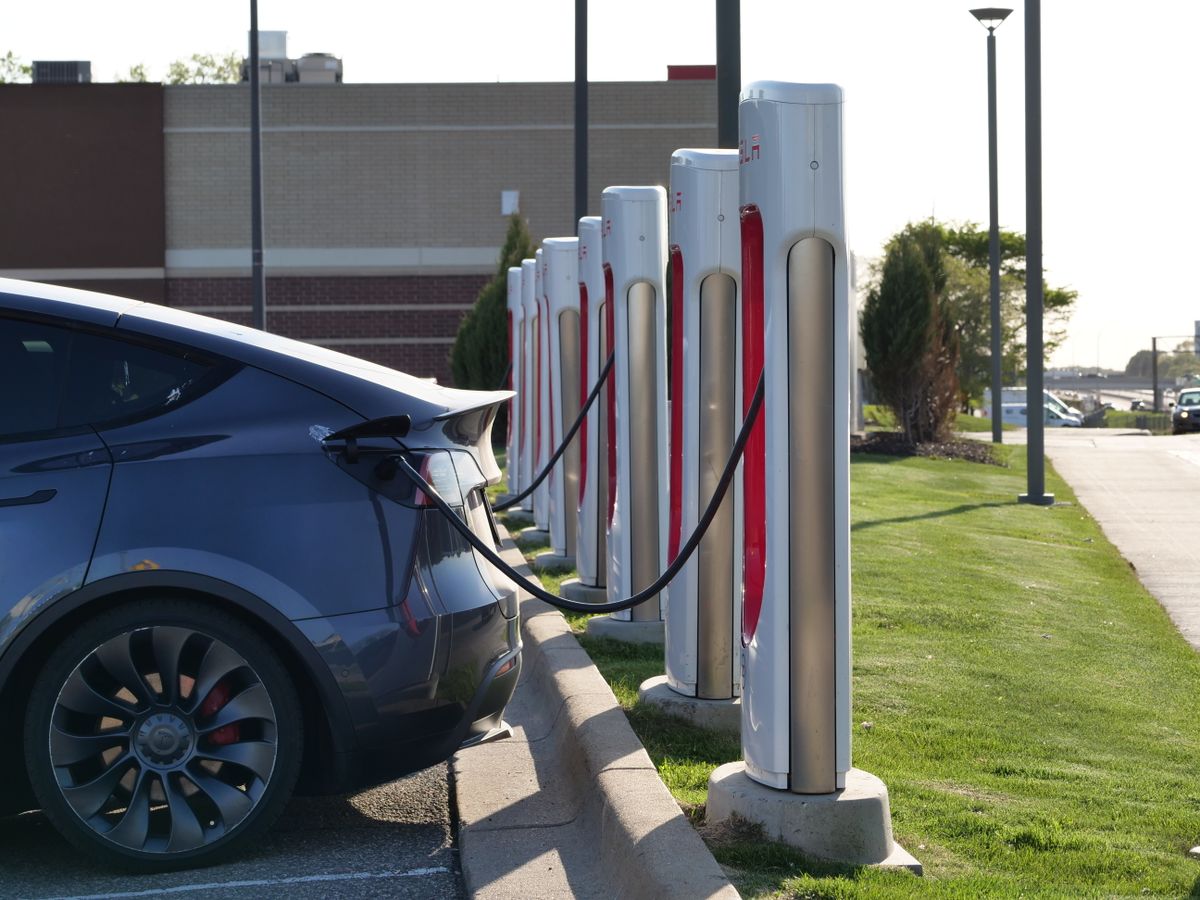
Public charging carries a premium. As of April 2026 the weighted average pay-as-you-go price was around 54p per kWh on slower public chargers and about 79p per kWh on rapid and ultra-rapid units, as reported by Regit's 2026 charging cost analysis. Part of the gap is VAT: public charging is billed at 20% while home electricity attracts only 5%.
At 79p per kWh, a 20% to 80% top-up on a 60kWh car costs about £28.40, and a full-equivalent charge around £47. Per mile that is 12p to 20p, which is petrol territory. Rapid charging buys you speed, not savings, and it is worth being clear about that before a long trip.
No home charger? Your real-world options
Plenty of UK drivers cannot charge at home, and the maths still works if you plan around it:
- Supermarket and destination chargers often sit between the home cap rate and rapid pricing, and you are parked there anyway.
- Workplace charging, where offered, is frequently the cheapest option after a home tariff.
- Off-peak rapid sessions: some networks price quieter hours lower, so the same charger can cost meaningfully less at 7am than 5pm.
- A home charger install, if you have off-street parking, typically costs £800 to £1,200 fitted in 2026 and usually pays for itself within a year or two of off-peak charging against public rates.
Cost per mile: EV vs petrol
| How you fill up | Price | Approx cost per mile |
|---|---|---|
| Home, off-peak EV tariff | 7p to 8.5p/kWh | 2p to 3p |
| Home, price cap rate | ~25p/kWh | 7p to 8p |
| Public slower chargers | ~54p/kWh | ~15p |
| Public rapid and ultra-rapid | ~79p/kWh | 12p to 23p |
| Petrol, 45mpg at 158p/litre | 158p/litre | ~16p |
The honest read: an EV charged mostly at home wins by a wide margin, an EV charged mostly on rapids roughly breaks even with petrol on fuel, and everything in between depends on your mix. That mix is exactly what our Charging Cost Calculator models, with every price editable.
How to cut the cost further
If you are on Octopus Agile, prices change every half hour and often collapse overnight or on windy days. Our free Cheapest Time to Charge Tonight tool pulls tonight's actual Agile prices for your region and shows the cheapest charging window, so you can set a timer rather than guess. Pair it with the EV vs Petrol Running Cost Calculator to see the annual picture for your mileage.
Keep the car efficient, keep the bills low
Charging cost is only half the equation; efficiency is the other half. Underinflated tyres, dragging brakes and a neglected battery all push your miles per kWh down, which quietly raises your cost per mile. A healthy EV from a specialist garage simply costs less to run. Across the garages listed on The EV Pros, HEVRA-approved independents like Cleevely Motors in Gloucestershire, CSN Autos in Norfolk, Fitch Autos in the West Midlands and Drive Green in Suffolk carry some of the highest Trust Scores on the directory for exactly this kind of work. Find one near you via the Electric Car Servicing hub.
FAQs
Is charging an electric car cheaper than petrol?
How much does it cost to fully charge an electric car at home?
Why is public charging so much more expensive?
Is it worth installing a home charger?
How long does a charge take?
Work out your own charging costs
Every price editable, defaults set to current UK rates. No sign-up.
Open the Charging Cost Calculator →By Ian McDonnell, Co-Founder and Technical Advisor at The EV Pros. Last verified 19 July 2026.
Find a trusted EV specialist near you
Use The EV Pros to compare verified UK EV garages for servicing, repair, MOT, battery work and tyres. Profiles include reviews, Trust Score signals and contact details where available.
Search by postcode →